
Understanding the Cost of Mahogany Timber Planks
- epicretor
- Apr 20
- 4 min read
Mahogany timber planks have long been prized for their rich color, durability, and fine grain. Whether you are building furniture, flooring, or decorative elements, mahogany offers a timeless appeal. But understanding the cost of mahogany timber planks can be tricky. Prices vary widely depending on several factors, and knowing what influences these costs helps you make better decisions for your projects.
In this post, I will walk you through the key elements that affect mahogany timber plank prices. I will also share examples of quality products available in the market to give you a clearer picture of what to expect. This will help you plan your budget wisely and choose the right wood for your needs.
What Makes Mahogany Timber Planks Valuable
Mahogany is a hardwood known for its strength and beauty. Its value comes from several characteristics:
Durability: Mahogany resists rot and insects better than many other woods. This makes it ideal for long-lasting furniture and construction.
Appearance: The wood has a deep reddish-brown color that darkens with age. Its straight, fine grain adds elegance to any piece.
Workability: Despite being hard, mahogany is easy to cut, shape, and finish. This makes it popular among craftsmen and builders.
Rarity: Genuine mahogany is not as abundant as other woods. Sustainable harvesting and regulations limit supply, which affects price.
These qualities mean mahogany timber planks often cost more than common hardwoods like oak or teak. But the investment usually pays off in durability and aesthetics.
Factors Influencing the Cost of Mahogany Timber Planks
Several factors determine the price of mahogany timber planks. Understanding these will help you evaluate offers and select the best option.
1. Grade and Quality
Mahogany planks come in different grades based on appearance and defects:
Select Grade: Clear wood with minimal knots or blemishes. This grade is the most expensive and preferred for fine furniture.
Common Grade: Contains some knots and color variations. Suitable for structural use or painted surfaces.
Utility Grade: Lower quality with more defects, used mainly for rough construction.
Higher-grade planks cost more because they require more careful selection and processing.
2. Thickness and Dimensions
The size of the plank affects the price. Thicker and wider boards use more wood and are harder to source without defects. For example, a 1-inch thick plank will cost less than a 2-inch thick plank of the same length and width.
3. Source and Sustainability
Mahogany comes from different regions, including Central and South America, Africa, and Asia. The origin affects price due to transportation costs and legal restrictions.
Sustainably harvested mahogany certified by organizations like FSC (Forest Stewardship Council) may cost more but ensures responsible forestry practices.
4. Seasoning and Processing
Well-seasoned wood with low moisture content is more stable and less prone to warping. Seasoning takes time and resources, adding to the cost.
Additional processing like planing, sanding, or finishing also increases the price.
5. Market Demand and Supply
Global demand for mahogany affects prices. When demand rises, prices go up. Supply chain issues, import duties, and local taxes also play a role.

Close-up view of mahogany timber plank showing rich grain and color
Comparing Quality Mahogany Timber Planks Available
To give you a practical idea, I looked at some quality mahogany timber planks offered by trusted suppliers. Here are two examples that highlight different options:
1. Premium Mahogany Timber Planks from Wood and Veneers
Wood and Veneers offers premium mahogany timber planks known for their consistent quality and finish. Their planks are carefully selected, kiln-dried, and graded as select grade. These planks are ideal for high-end furniture and interior work.
Type: Premium kiln-dried mahogany planks
Description: Smooth finish, rich color, minimal defects
Use: Furniture, flooring, decorative panels
More info: Wood and Veneers Mahogany Planks
2. Sustainable Mahogany Planks from GreenWood Supplies
GreenWood Supplies focuses on sustainably sourced mahogany planks with FSC certification. Their planks are available in common and select grades, suitable for both structural and decorative use.
Type: FSC-certified mahogany timber planks
Description: Responsibly harvested, well-seasoned, available in various sizes
Use: Construction, furniture, cabinetry
More info: GreenWood Mahogany Planks
Both options show how quality, source, and certification influence the price and suitability for different projects.
How to Estimate Your Mahogany Timber Plank Cost
When planning your purchase, consider these steps to estimate the cost accurately:
Measure your project needs: Calculate the total volume of wood required in cubic feet or board feet.
Choose the grade: Decide if you need select grade for visible surfaces or common grade for structural parts.
Check local prices: Prices vary by region. Contact suppliers for current rates.
Factor in processing: Include costs for seasoning, cutting, and finishing if not included.
Add transportation and taxes: These can add 10-20% to the base price.
For example, if you need 100 board feet of select grade mahogany at ₹250 per board foot, your base cost is ₹25,000. Adding processing and transport might bring it to around ₹30,000.
You can find detailed pricing and options at Wood and Veneers, which offers transparent pricing and expert advice.

Eye-level view of stacked mahogany timber planks in a warehouse
Tips to Get the Best Value for Mahogany Timber
To make the most of your investment, keep these tips in mind:
Buy from reputable suppliers: Quality and authenticity matter. Suppliers like Wood and Veneers have decades of experience.
Inspect the wood: Check for defects, moisture content, and uniformity before buying.
Consider alternatives: Sometimes, engineered wood or veneers can offer similar looks at lower cost.
Plan for waste: Order slightly more wood than needed to account for cutting and mistakes.
Ask about certifications: Sustainable sourcing protects the environment and ensures legal compliance.
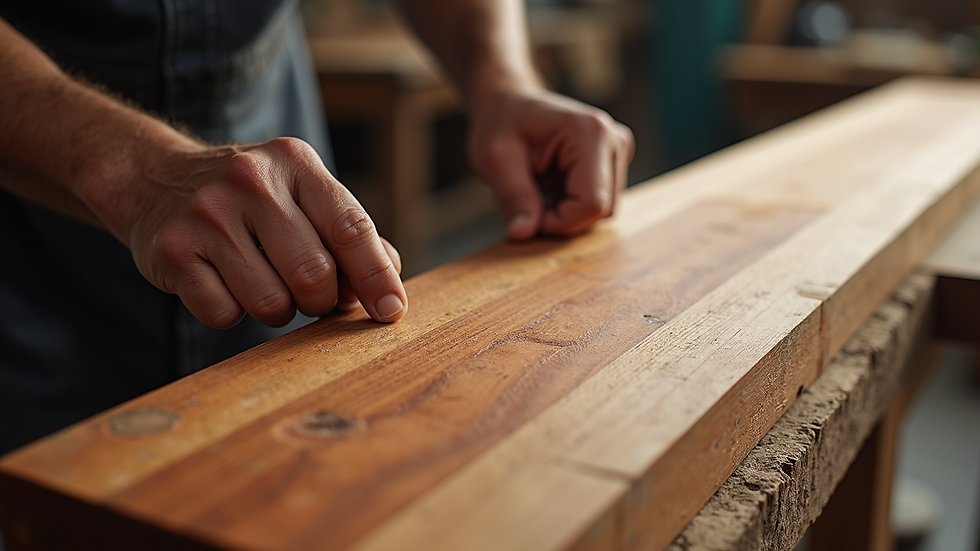
High angle view of a craftsman working on a mahogany timber plank
Understanding the mahogany timber plank cost is essential for budgeting your project. Prices depend on quality, size, source, and processing. By choosing the right grade and supplier, you can ensure your project benefits from mahogany’s beauty and strength without overspending.
If you want reliable, premium mahogany timber planks, consider suppliers with proven expertise and transparent pricing. This approach helps you get the best wood for your needs and supports sustainable forestry practices.
Start by assessing your project requirements and reach out to trusted suppliers to get accurate quotes. This will help you plan effectively and enjoy the lasting value that mahogany timber brings to your work.


Comments